Gemini 4 Neon Explained: Google's Faster, Cheaper AI — and What It Means for the Free Tools You Use
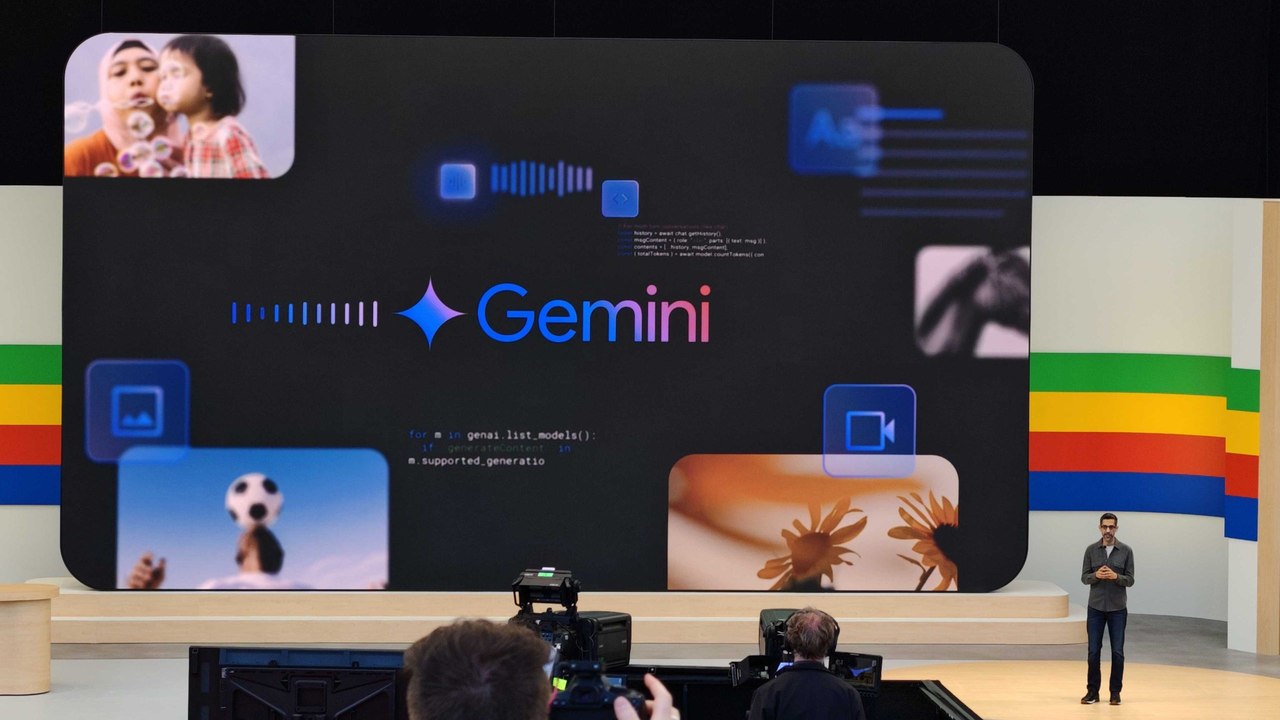
On 19 November 2026, Google launched Gemini 4 Neon, a new AI model that promises flagship-level quality at a much lower cost. If you use AI tools for work, study or everyday questions, launches like this matter: the price and speed of the models behind the scenes decide how good the free apps on your phone can afford to be. Here is what Neon is, the numbers that matter, and what it could mean for the tools you already use.
What is Gemini 4 Neon?
Gemini 4 Neon is a mid-tier model in Google's Gemini 4 family, aimed mainly at coding, enterprise and scientific tasks — work where AI systems write and check code, analyse documents and reason through multi-step problems.
According to Google DeepMind, Neon delivers performance comparable to the company's flagship model, Gemini 4 Carbon, while running about three times faster and costing roughly 60% less to operate. That combination — near-flagship quality at a mid-tier price — is the whole point of the launch. Google is rolling Neon out to developers, businesses and paid subscribers, including its AI Pro plan.
Neon also arrives in a crowded week. OpenAI launched its GPT-6.2 Astra and Sol models at almost the same time, which tells you how intense the competition at the top of the AI market has become.
The key numbers
| Detail | Gemini 4 Neon |
|---|---|
| Launch date | 19 November 2026 |
| Position in family | Mid-tier (below flagship Gemini 4 Carbon) |
| Speed | About 3x faster than Carbon, per Google |
| Cost | Roughly 60% cheaper than Carbon, per Google |
| Context window | 1 million tokens |
| API pricing | From $3 per million input tokens, $15 per million output tokens |
| Reasoning | Four "thinking levels" to trade speed against depth |
Two of these numbers deserve a quick explanation. The 1 million-token context window means the model can take in a very large amount of text at once — think several full-length books — and still keep track of it. The four thinking levels let developers choose how hard the model should think about a problem: quick answers for simple tasks, deeper reasoning for hard ones, without paying flagship prices for every request. One launch report also noted that Neon topped the AA Coding Agent Index, a benchmark for AI coding assistants, when it was released.
Why it matters if you just use free AI apps
Most people never buy API tokens, so why should a developer-focused launch matter to you? Because the economics of AI models flow downhill to free users.
Running AI is expensive, and the free tiers of apps like Gemini, ChatGPT and Claude are subsidised by what the underlying models cost to run. When a model delivers similar quality at 60% lower cost, providers can afford to offer more for free: higher usage limits, faster replies, and smarter models in the free version of an app, not only behind a paywall.
Speed matters too. A model that answers three times faster makes free apps feel snappier, especially on slower connections and older phones. And when Google cuts prices, rivals usually respond — OpenAI's same-week GPT-6.2 launch is a sign of exactly that pressure. For readers of our "Best Free AI Tools" and "ChatGPT vs Claude vs Gemini" guides, this is the trend to watch: the gap between free and paid AI keeps shrinking.
None of this happens overnight. New models reach paying customers first, and free tiers are upgraded later, sometimes quietly. But the direction is consistent: cheaper, faster models today become better free tools tomorrow.
What to watch next
Three things will show whether Neon lives up to the launch claims. First, independent benchmarks and real-world developer feedback, which test Google's speed and quality claims outside its own labs. Second, how quickly Neon-powered features appear in consumer products like the Gemini app. Third, how OpenAI and Anthropic respond on price — a price war at the model level is good news for everyone who uses AI for free.
Frequently asked questions
Is Gemini 4 Neon free to use? Neon is rolling out to developers, businesses and paid subscribers such as AI Pro members first. Free users are more likely to feel its effects indirectly, as cheaper models let Google improve the free Gemini experience over time.
What is a context window, in plain English? It is how much information the model can hold in mind at once. Neon's 1 million-token window means it can work with very long documents — contracts, research papers, whole codebases — without forgetting the beginning.
Should I switch AI apps because of this launch? Not on its own. Model launches happen every few weeks, and the best free tool for you still depends on your tasks. It is a reason to keep an eye on Gemini's free tier, not a reason to abandon an app that already works for you.
Sources: Google DeepMind, Mint, VentureBeat